

Flatbread vs Pizza: What’s the Difference and Which One Should You Try?
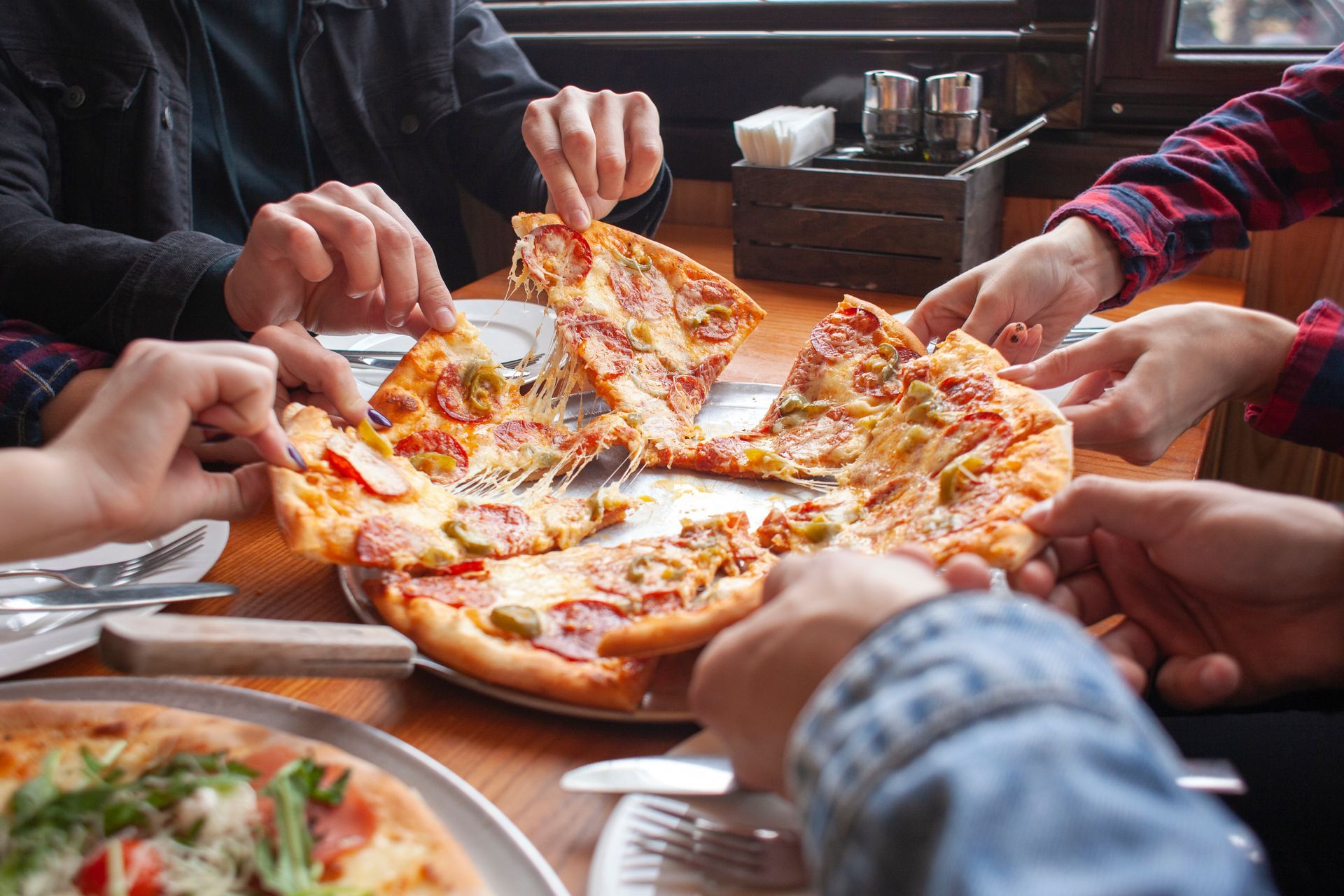
When people compare flatbread vs pizza, the two dishes may appear similar at first glance. Both feature dough topped with flavorful ingredients and baked to perfection. However, there are important differences in the dough, preparation, texture, and overall dining experience.
For many diners looking for something lighter and crispier, flatbread has become a popular alternative to traditional pizza. Restaurants across the country are incorporating creative flatbread recipes that offer bold flavors while keeping the dish simple and satisfying.

What Is Flatbread?
Flatbread is one of the oldest forms of bread in culinary history. Traditionally made from flour, water, and salt, flatbread dough often contains little to no yeast, which creates a thin, crisp crust when baked.
Key features of flatbread include:
- Thin and crispy texture
- Light, balanced toppings
- Simple dough ingredients
- Quick cooking time in high-heat ovens
Because the crust is thinner, the toppings tend to stand out more, creating a balanced bite that highlights fresh ingredients.
How Flatbread Differs From Traditional Pizza
The main difference between flatbread vs pizza comes down to the dough and overall texture.
Dough Structure
Pizza dough usually contains yeast and requires time to rise. Flatbread dough is typically unleavened or minimally leavened, resulting in a flatter crust.
Crust Texture
Flatbread is crisp and thin, while pizza crust tends to be thicker and softer.
Topping Style
Flatbreads often feature lighter toppings like grilled vegetables, cheeses, herbs, or specialty sauces, while pizza commonly focuses on heavier tomato sauce and cheese combinations.
These differences give flatbread a unique flavor profile that many diners find refreshing.
Why Flatbread Has Become So Popular
Restaurants have increasingly embraced flatbread appetizers and entrées because they are versatile and easy to customize. Flatbread offers a modern twist on traditional comfort foods while still feeling familiar.
Reasons people love flatbread include:
- Crisp texture that is satisfying without feeling heavy
- Perfect size for sharing with friends or family
- Endless topping combinations
- A lighter option compared to traditional pizza
Because of its versatility, flatbread works well as an appetizer, a quick meal, or a shareable plate for groups.
Creative Flatbread Toppings
One of the biggest advantages of flatbread is the flexibility it offers chefs. Creative flatbread toppings allow restaurants to experiment with bold flavors and unique ingredient pairings.
Popular topping combinations include:
- Roasted vegetables and fresh herbs
- Chicken with garlic or herb sauces
- Cheese blends such as mozzarella, parmesan, or goat cheese
- Sweet and savory combinations like fig and prosciutto
These combinations create a flavorful experience that feels both elevated and approachable.
Why Flatbread Stands on Its Own
While many people compare flatbread vs pizza, flatbread has developed its own identity on modern menus. Its crisp texture and balanced toppings provide a lighter option that still delivers big flavor.
At Lombardi's Bar & Grill, guests can enjoy flavorful flatbread dishes crafted with quality ingredients and bold combinations. Whether you're sharing with friends or enjoying a meal yourself, flatbread offers a satisfying and versatile dining option.